Research suggests that more than 7 million people in the United States get cosmetic injections every year — and the global figure is even higher. Botox has become widely sought-after because it’s generally safe, requires little recovery time, is easy to access, and costs far less than surgical alternatives. Even with its long record of safe and successful use, there are plenty of misunderstandings.
If you’re thinking about trying this treatment or want a clearer picture of how it works, it’s a good time to separate facts from fiction. Keep reading as we break down some of the most common myths surrounding this popular wrinkle-relaxing option.
Common Botox Myths and Facts
Let’s get into the myths that might have held you back — and why it’s time to move past them.
Myth 1: Botox Is Toxic.
FACT: Many people assume this treatment is dangerous, but the substance used is actually a purified neurotoxin that comes from Clostridium botulinum, a naturally occurring organism that remains inactive and harmless in its natural state. This treatment is not the same as botulism or food poisoning. It undergoes strict purification and testing before use and has a long history of safety when administered correctly by a trained, qualified medical professional.
Myth 2: Botox Will Freeze My Face.
FACT: A stiff or emotionless appearance usually happens when someone receives too high a dose. A skilled injector knows exactly how much to use so your features stay natural and expressive. The modern approach focuses on lighter, controlled amounts — allowing some movement while still softening lines. The treatment simply relaxes the specific muscles that cause wrinkles; the rest of your facial expressions stay fully active. It also doesn’t affect sensory nerves, so you still feel completely normal in the treated areas.
Myth 3: It Can Erase Every Wrinkle I Have.
FACT: Wrinkles fall into two categories. Dynamic wrinkles form from repeated muscle movement, while static wrinkles develop over time due to aging, sun exposure, and loss of skin elasticity. This treatment targets dynamic wrinkles by easing the muscle activity that creates them, which softens their appearance. Static wrinkles often require a combination of other aesthetic treatments, such as fillers, laser sessions, chemical peels, or even surgical procedures, to achieve noticeable improvement.
Myth 4: Stopping the Treatment Will Make You Look Older.
FACT: Regular sessions help slow the deepening of wrinkles by easing the muscles that cause them. If you choose to stop, the effect simply fades over time, and your muscles return to their usual movement. Your lines won’t suddenly worsen; they’ll gradually go back to how they were before you started treatment.
Myth 5: The Treatment Is Painful.
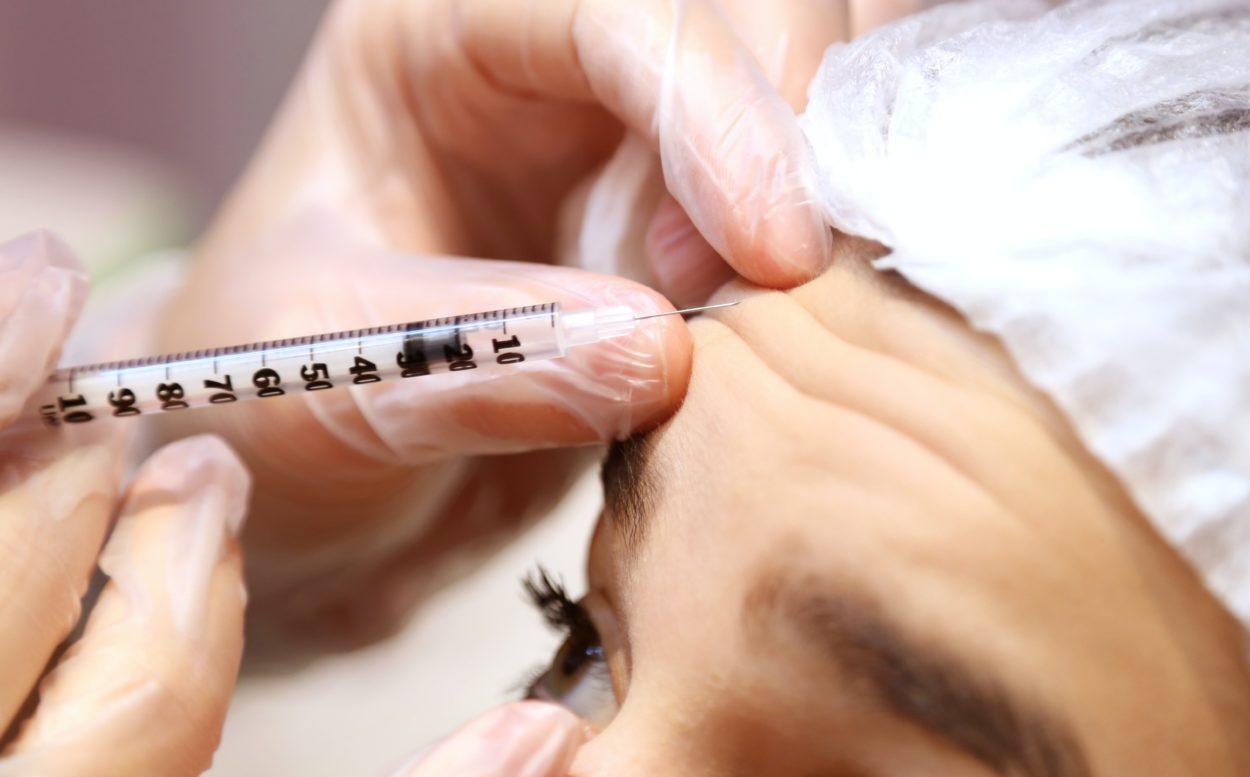
FACT: Many people call it a “lunchtime procedure” because it’s quick and usually comes with minimal downtime. The injections use very fine needles and a tiny amount of fluid, so most people only feel a brief pinch. Using ice before and after can ease discomfort, and applying arnica may help reduce the chance of bruising. If you’re highly sensitive, a numbing cream can make the process nearly painless. You can return to your usual routine right away.
Myth 6: It’s Addictive.
FACT: This treatment doesn’t contain ingredients that cause physical addiction. However, people can get used to the refreshed, smoother look it provides and choose to keep up with sessions for cosmetic reasons.
Myth 7: Botox Will Affect Other Parts of My Body
FACT: The substance used is a purified protein made from Clostridium botulinum. It doesn’t cause infection, and it doesn’t spread throughout the body. It stays right where it’s injected and works only on the targeted muscles.
Myth 8: The Results Are Permanent.
FACT: The effects gradually fade. Most people return every 3–5 months for follow-up sessions. Some prefer shorter gaps, while others wait longer — it depends on your personal preference and the guidance of the practitioner treating you.
Myth 9: The Results Show Up Instantly.
FACT: It works quickly, but not on the spot. The product temporarily blocks the nerve signals that trigger muscle movement. You’ll start noticing softer lines within 3–4 days, and the full results usually settle in around days 7-10.
Myth 10: Botox and Fillers Are the Same Thing.
FACT: Fillers and Botox serve different purposes. Botox relaxes the muscles that create expression lines, while fillers add volume beneath the skin. Fillers are gel-like and restore fullness in areas such as the lips or cheeks, while this treatment is most often used for frown lines, forehead lines, and crow’s feet. Both can reduce the appearance of lines, just through different techniques.
Step Into a More Confident You
At Dr J Anti-Aging Clinic, we understand what first-timers really want. You’re looking for subtle enhancements, not dramatic changes. You want skill, not attitude. And you want results that look natural — the kind that quietly elevates your confidence.
Whether you’re considering Botox treatment in Orlando, thinking about lip enhancement, or exploring dermal fillers for the first time, our team is here to guide you through the process with comfort and clarity.
Reach out today to book your appointment!